
Last Updated on December 20, 2025 by recipeinspire
How to Make Homemade Mayonnaise: 7 Tips for Perfect Results
Are you struggling with lumpy, bland Homemade Mayonnaise? You’re not alone! Many home cooks find this seemingly simple condiment frustrating to perfect. Yet, with a few expert tips, you can master the art of creamy, flavorful mayo every time. Let’s dive into the secrets of making delicious, smooth Homemade Mayonnaise!
Ingredients List
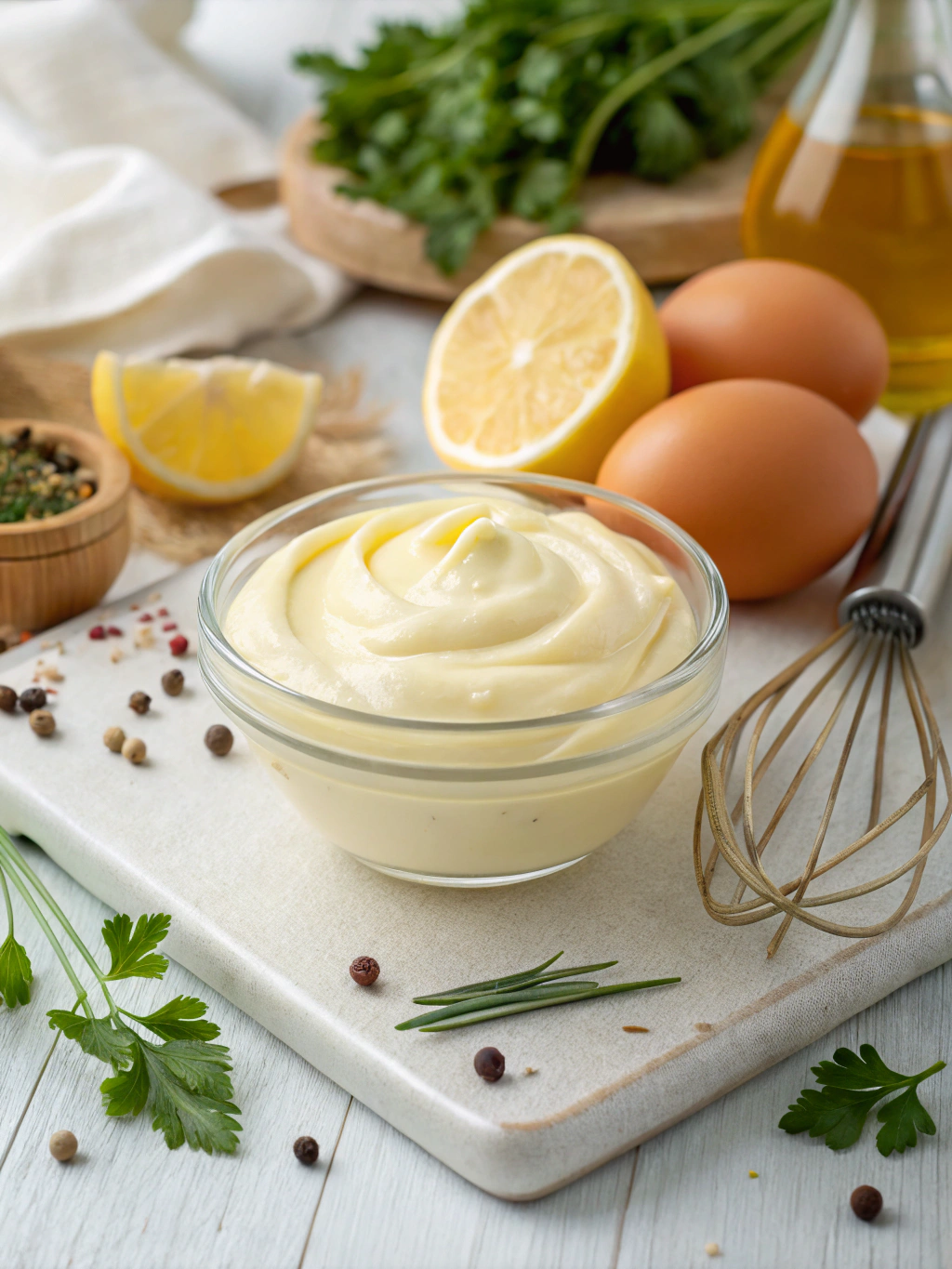
To create your own creamy masterpiece, you’ll need the following ingredients:
- 1 large egg (preferably at room temperature)
- 1 tablespoon Dijon mustard (adds depth of flavor)
- 1 tablespoon white wine vinegar (for acidity)
- 1 cup neutral oil (such as canola or grapeseed; olive oil works for a stronger taste)
- Salt to taste
Substitutions to enhance your mayo:
- Eggs: Use pasteurized eggs if you’re concerned about raw egg safety.
- Vinegar: Apple cider vinegar can impart a sweeter note.
- Mustard: Feel free to experiment with different types of mustard for unique flavors.
Timing
The complete process to make Homemade Mayonnaise is relatively quick! Expect to spend about 10 minutes of preparation. This is significantly less time than the 20 minutes it typically takes to make store-bought mayo when considering the flavor infusion time.
Here’s a breakdown:
- Prep Time: 10 minutes
- Total Time: 10 minutes
Step-by-Step Instructions
Step 1: Gather Your Ingredients
Take out all your ingredients and ensure everything is at room temperature. This makes emulsification easier and sets you up for success.
Step 2: Combine Egg, Mustard, and Vinegar
In a medium bowl, whisk together the egg, Dijon mustard, and vinegar until fully combined. This mix creates a flavorful base for your mayo.
Step 3: Start Whisking!
Using a hand whisk or an electric mixer, start whisking the mixture while slowly drizzling in the oil. Begin with just a few drops to start the emulsification process and gradually increase to a slow and steady stream.
Step 4: Monitor Consistency
As the mayo thickens, you can speed up the oil stream. Keep whisking until you achieve a smooth, creamy consistency.
Step 5: Season to Taste
Once your mayo reaches the desired thickness, season it with salt. You can also add a squeeze of lemon juice or fresh herbs to enhance the flavor further.
Step 6: Store or Serve
If you’re not using your mayo right away, transfer it to an airtight container and refrigerate.
Step 7: Enjoy!
Use your Homemade Mayonnaise as a dip, spread, or dressing for salads and sandwiches.
Nutritional Information
A tablespoon of Homemade Mayonnaise contains approximately:
- Calories: 94
- Total Fat: 10g
- Saturated Fat: 1g
- Cholesterol: 19mg
- Sodium: 70mg
- Carbohydrates: 0g
- Protein: 0g
Healthier Alternatives for the Recipe
Enhance nutrition without sacrificing flavor by trying these substitutions:
- Use olive oil for its health benefits and richer taste.
- Greek yogurt can be a great alternative for a creamy, tangy dressing while reducing the fat content.
- Avocado oil offers heart-healthy fats and a mild flavor.
Serving Suggestions
Here are some creative serving ideas for your Homemade Mayonnaise:
- Spread on sandwiches or burgers for an extra level of creaminess.
- Use as a base for shrimp cocktail sauce or in potato salad for added flair.
- Serve as a dip alongside fresh veggies, fries, or chips.
Common Mistakes to Avoid
Creating the perfect mayo can be challenging. Here are some common pitfalls:
- Using cold ingredients: Cold ingredients can prevent emulsification. Always use room temperature eggs and oils.
- Adding oil too quickly: If you pour in the oil too fast, the mayo can separate. Patience is key here.
- Not whisking enough: A consistent and energetic whisk creates the proper texture and prevents lumpiness.
Storing Tips for the Recipe
To maintain freshness in your Homemade Mayonnaise:
- Refrigeration: Store in an airtight container in the fridge. It generally lasts about a week.
- Prepping Ahead: You can prepare the base and store it for up to two days. Just mix in oil, salt, and seasonings right before use.
Homemade Mayonnaise
- Total Time: 5 minutes
- Yield: 1 cup 1x
- Diet: Vegetarian
Description
This Homemade Mayonnaise is rich, creamy, and incredibly easy to make with just a few pantry staples. Fresher and more flavorful than store-bought, it’s perfect for sandwiches, salads, and homemade sauces.
Ingredients
Ingredients
- 1 large egg (room temperature)
- 1 tbsp lemon juice or white vinegar
- 1 tsp Dijon mustard
- 1/4 tsp salt
- 1 cup neutral oil (vegetable, avocado, or light olive oil)
Instructions
Instructions
- Add the egg, lemon juice (or vinegar), mustard, and salt to a tall jar or blending cup.
- Pour the oil on top and let it rest for 30 seconds.
- Place an immersion blender at the bottom of the jar.
- Blend without moving for 10–15 seconds until the mixture begins to emulsify.
- Slowly lift the blender while blending until thick and smooth.
- Taste and adjust seasoning if needed.
- Transfer to an airtight container and refrigerate.
Notes
Use room-temperature ingredients for best emulsification. Homemade mayonnaise keeps in the refrigerator for up to 5 days.
- Prep Time: 5 minutes
- Cook Time: 0 minutes
- Category: Condiments
- Method: Blender
- Cuisine: American
Nutrition
- Serving Size: 1 tablespoon
- Calories: 95
- Sugar: 0g
- Sodium: 70mg
- Fat: 10g
- Saturated Fat: 1.5g
- Unsaturated Fat: 8g
- Trans Fat: 0g
- Carbohydrates: 0g
- Fiber: 0g
- Protein: 0g
- Cholesterol: 5mg
Keywords: homemade mayonnaise, classic mayo, easy mayo recipe, diy mayonnaise
Conclusion
Perfecting Homemade Mayonnaise is an art form anyone can master with the right techniques. By following these seven expert tips, you can enjoy a creamy, flavorful mayo that elevates your meals.
Ready to bring your mayo game to the next level? Try this recipe today and share your experiences in the comments below!
FAQs
Can I use an immersion blender for making mayonnaise?
Absolutely! An immersion blender can make the process even easier and quicker.
What can I do if my mayonnaise doesn’t emulsify?
If your mayonnaise separates, add a teaspoon of warm water and whisk vigorously. This can help bring it back together.
Is mayonnaise safe to eat if made with raw eggs?
Using fresh, pasteurized eggs reduces the risk of salmonella. If you are concerned, opt for pasteurized eggs from your local grocery store.
Feel free to explore more about Homemade Mayonnaise and share your own culinary creations!