
Last Updated on December 20, 2025 by recipeinspire
Easy Homemade Mayonnaise Recipe: 5 Simple Steps to Creamy Perfection
Have you ever wondered how a simple spread can elevate your culinary creations? The truth is, Easy Homemade Mayonnaise Recipe not only satisfies your cravings for creamy goodness but also provides a fresh and customizable alternative to store-bought options.
In just a few easy steps, you’ll discover not only how to whip up this delightful condiment but also why homemade mayonnaise is often richer and more flavorful. So, let’s dive into our five-step guide to mastering the art of mayonnaise-making!
Ingredients List
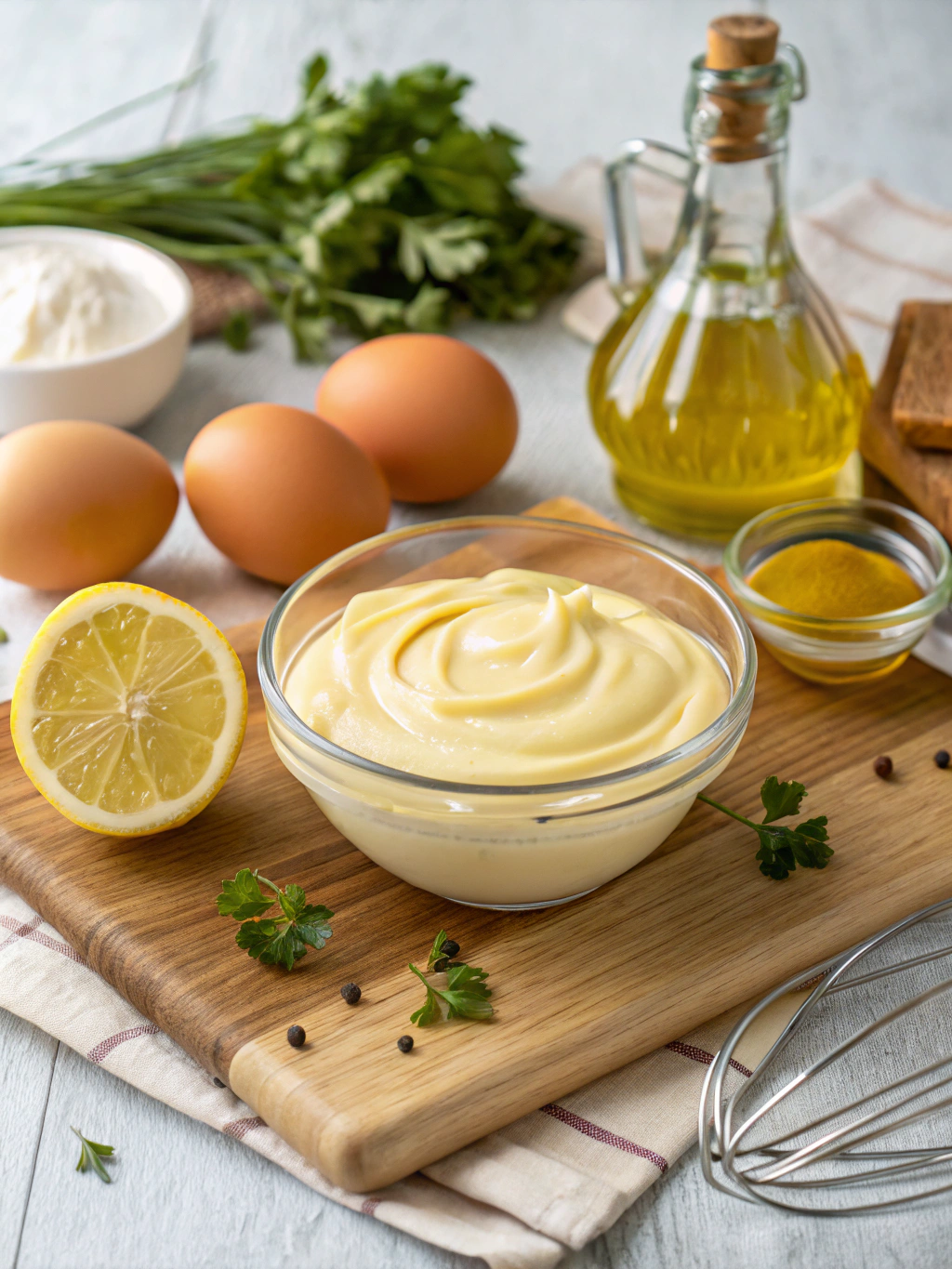
For this Easy Homemade Mayonnaise Recipe, you will need the following ingredients:
- 1 large egg (room temperature)
- 1 tablespoon Dijon mustard
- 1 tablespoon white vinegar (or lemon juice for a zesty twist)
- 1 cup neutral oil (grapeseed, canola, or avocado oil work well)
- Salt, to taste
Feel free to experiment with substitutions! For a vegan version, swap the egg for silken tofu, and use extra-virgin olive oil for a distinct flavor.
Timing
Preparation of your creamy creation is quick! You’ll only need about 5 minutes for assembly, resulting in an average total preparation time of merely 10 minutes, significantly faster than many store-bought varieties. Imagine cutting down your kitchen time by 50%—that’s the magic of homemade!
Step-by-Step Instructions
Step 1: Gather Your Gear
Start by gathering your ingredients and a tall container, such as a mason jar or a beaker, along with an immersion blender. This ensures easy mixing and clean-up!
Step 2: Combine Ingredients
Place the egg, Dijon mustard, and vinegar (or lemon juice) into your jar. It’s essential to keep everything at room temperature for optimal emulsification!
Step 3: Blend
Insert the immersion blender into the jar, making sure it covers the base completely. Start blending on the lowest setting. As the mixture thickens, slowly lift the blender upwards to incorporate the oil gradually.
Step 4: Season
Once the mayonnaise reaches a thick and creamy consistency, add salt to taste and blend briefly to incorporate. Feel free to adjust the acidity with more vinegar or lemon juice if desired!
Step 5: Store
Transfer your homemade mayonnaise to a clean jar or airtight container. Refrigerate, and it should last for about a week.
Nutritional Information
Delighting in a homemade mayo experience not only tantalizes your taste buds but also nourishes your body. Here’s the nutritional breakdown (per tablespoon):
- Calories: 94
- Fat: 10 g (of which saturated fat is approximately 1 g)
- Cholesterol: 7 mg
- Sodium: 30 mg
This nutrient-dense condiment provides healthy fats vital for cellular functions and energy.
Healthier Alternatives for the Recipe
Every chef has room for improvement! Here are some ideas to enhance the nutritional profile while keeping it delicious:
- Avocado Oil: Substituting avocado oil increases heart-healthy monounsaturated fats.
- Greek Yogurt: For a tangy and creamy version, replace half the oil with Greek yogurt to cut calories and add protein.
- Herbs and Spices: Add herbs like dill or garlic powder for added flavor and nutritional benefits.
Serving Suggestions
What’s more delightful than a versatile sauce? Here are some inspirational serving ideas:
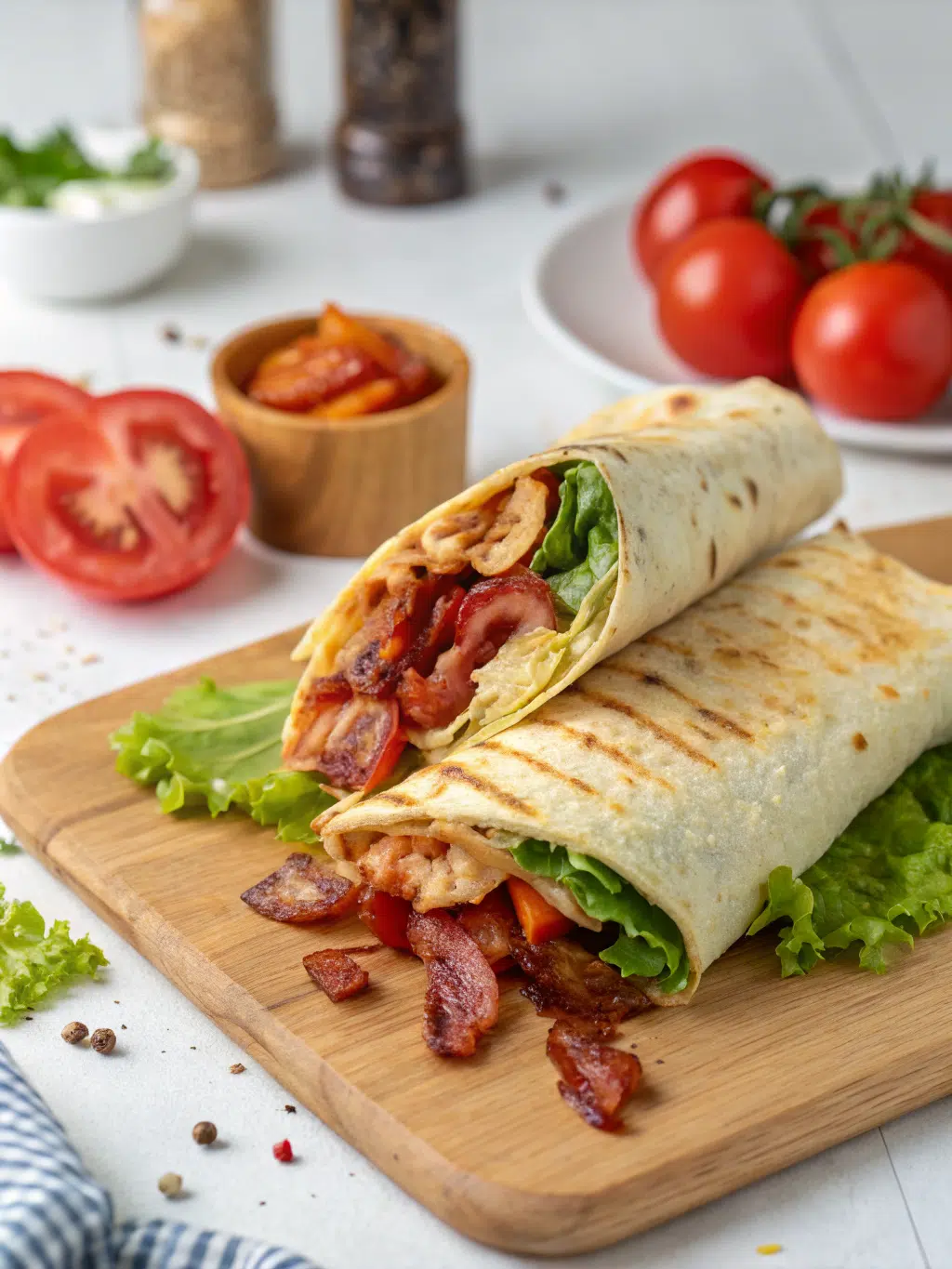
- Slather it on a fresh sandwich or wrap for an irresistibly rich texture.
- Use it as a dip for fresh vegetables or chips.
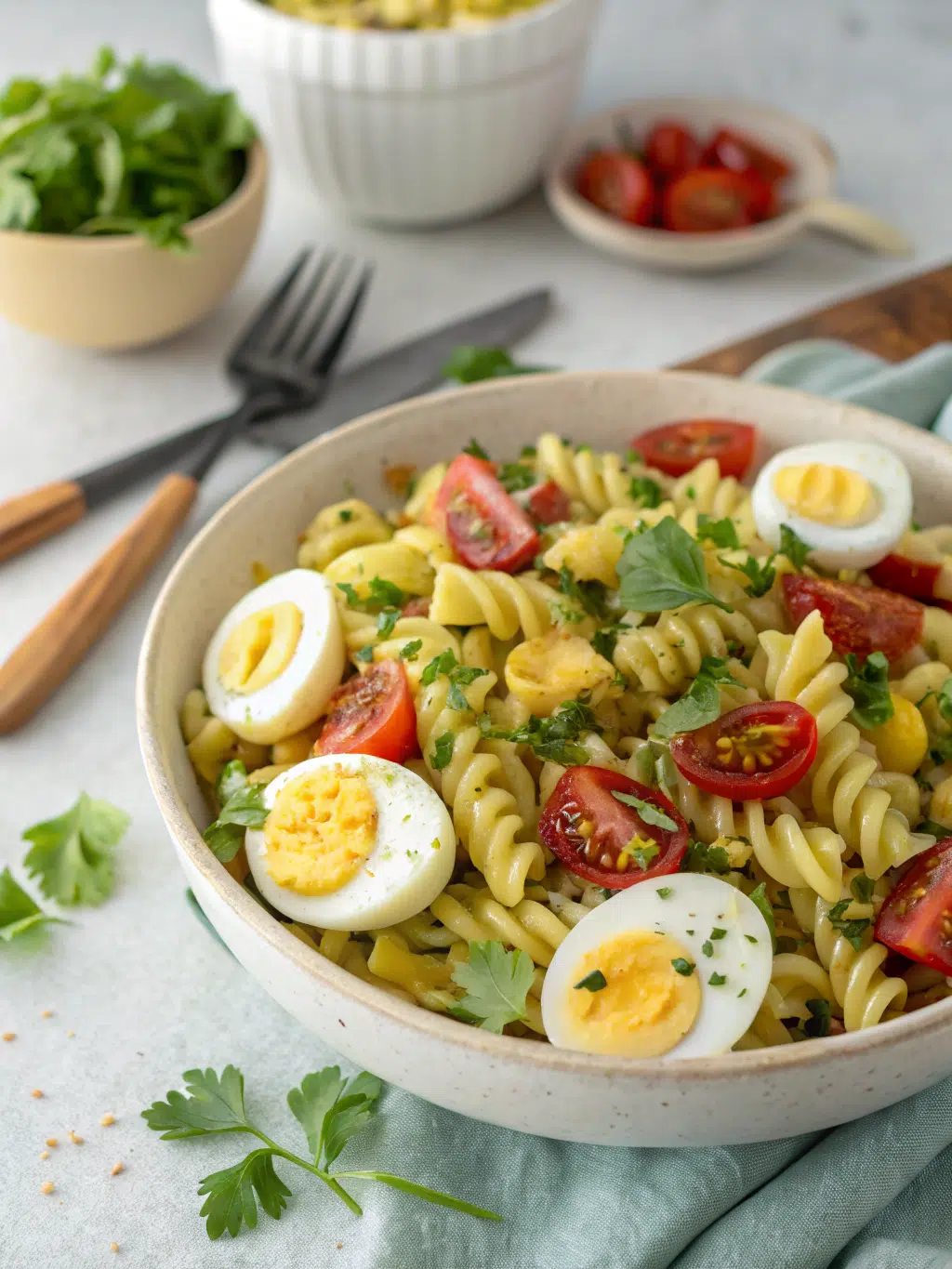
- Incorporate it into your potato salad or coleslaw for that extra creamy goodness.
Common Mistakes to Avoid
Crafting a perfect mayonnaise can sometimes be tricky. Here are pitfalls to sidestep:
- Using Cold Ingredients: If your components are cold, they won’t emulsify effectively. Always allow them to warm to room temperature.
- Rushing the Oil Incorporation: Adding oil too quickly can cause separation. Gradually incorporate for a stable emulsion.
Storing Tips for the Recipe
For the best results, store your homemade mayo in an airtight container in the refrigerator. If you find it has thickened too much over time, you can easily revive it by whisking in a teaspoon of water or lemon juice.
Print
Easy Homemade Mayonnaise Recipe
- Total Time: 5 minutes
- Yield: 1 cup 1x
- Diet: Vegetarian
Description
This Easy Homemade Mayonnaise Recipe is creamy, smooth, and made with just a few simple ingredients. Ready in minutes, it tastes fresher and better than store-bought and can be customized with garlic, lemon, or herbs.
Ingredients
Ingredients
- 1 large egg (room temperature)
- 1 tbsp lemon juice or white vinegar
- 1 tsp Dijon mustard
- 1/4 tsp salt
- 1 cup neutral oil (vegetable, avocado, or light olive oil)
Instructions
Instructions
- Add the egg, lemon juice (or vinegar), mustard, and salt to a tall jar or mixing cup.
- Pour the oil on top and let it settle for 30 seconds.
- Place an immersion blender at the bottom of the jar and blend without moving for 10–15 seconds.
- Slowly lift the blender to emulsify until thick and creamy.
- Taste and adjust seasoning if needed.
- Transfer to a sealed container and refrigerate.
Notes
Use room-temperature ingredients for best results. Store homemade mayonnaise in an airtight container in the refrigerator for up to 5 days.
- Prep Time: 5 minutes
- Cook Time: 0 minutes
- Category: Condiments
- Method: Blender
- Cuisine: American
Nutrition
- Serving Size: 1 tablespoon
- Calories: 95
- Sugar: 0g
- Sodium: 70mg
- Fat: 10g
- Saturated Fat: 1.5g
- Unsaturated Fat: 8g
- Trans Fat: 0g
- Carbohydrates: 0g
- Fiber: 0g
- Protein: 0g
- Cholesterol: 5mg
Keywords: homemade mayonnaise, easy mayo recipe, blender mayonnaise, diy mayo
Conclusion
Creating your own Easy Homemade Mayonnaise Recipe is not just satisfying but also offers endless possibilities in flavor and textures. We’ve shared everything from ingredients to storing tips, ensuring you achieve creamy perfection in mere minutes.
Now is your time to shine in the kitchen! Try creating this delicious recipe today, and don’t forget to come back and share your experience. Have questions or want to explore more delectable dishes? Dive into our other articles for more incredible culinary adventures!
FAQs
Q: Can I use olive oil for mayonnaise?
A: Yes, though it may impart a strong flavor. For a milder taste, opt for lighter olive oil or other neutral oils.
Q: How can I tell if my mayonnaise has gone bad?
A: If it develops an off-smell, change in consistency, or is past the one-week mark, it’s best to discard it.
Q: Can I add flavorings to my mayonnaise?
A: Absolutely! Consider adding spices, herbs, or garlic for a unique twist that caters to your taste buds!
By incorporating these tips and this easy-to-follow guide, you’re well on your way to mastering a delicious homemade mayonnaise that will impress family and friends alike! Enjoy making and savoring your culinary creation!